


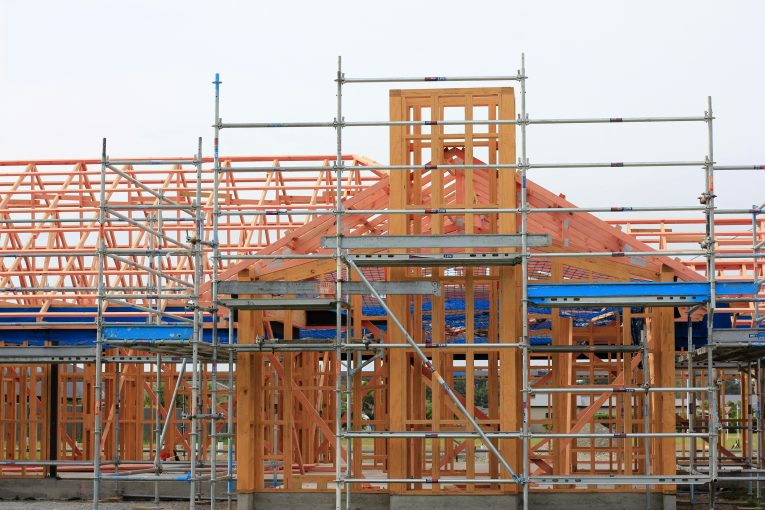
Mastering Ground-Up Construction Financing
The landscape of ground-up construction financing is evolving rapidly. For seasoned developers and investors, embracing innovative, forward-thinking strategies that align precisely with lender priorities has become a decisive factor in accelerating approvals, securing favorable terms, and ultimately delivering projects more efficiently. Imagine your next development leveraging these insights to unlock capital smoothly and swiftly, putting you at the forefront of industry leadership.
In this blog, we unpack five critical factors lenders scrutinize in ground-up construction deals. Mastering these elements empowers you to position your projects as standout candidates for optimal financing, driving growth and maximizing return on investment.
1. Strong Borrower and Contractor Financial Position
Construction financing inherently involves navigating complex risk variables. Lenders demand tangible assurance that both the developer and general contractor possess the financial resilience to weather unforeseen cost overruns or schedule delays without derailing the project.
Key lender focus areas:
- Demonstrated developer liquidity and net worth: confirm your capacity to manage unexpected expenses while maintaining project momentum.
- Contractor net worth benchmarks: typically requiring at least 5% liquidity relative to contract value, alongside mandated performance bonds and working capital reserves (for example, HUD loans often require 15% of hard costs).
- Proven track record: encompassing experience with similar project scopes and familiarity with institutional lending channels such as HUD, which substantially boosts lender confidence.
For context, HUD FHA 221(d)(4) guidelines require 100% performance bonds or cash escrows, serving as critical safeguards to protect lenders and ensure project accountability. Providing comprehensive, audited financial statements and detailed contractor profiles upfront streamlines lender risk assessments and accelerates approval timelines.
2. Performance Bonds, Escrows, and Letters of Credit
In today’s financing environment, lenders place paramount importance on financial instruments that mitigate risk exposure related to contractor performance.
Common institutional requirements include:
- 100% Performance and Payment Bonds: guaranteeing project completion and timely payments to subcontractors and suppliers.
- Cash escrows or FHA-accepted letters of credit: amounting to 15-20% of total construction costs designed to cover potential defaults.
- Working capital deposits: such as the HUD standard reserve of 4% of the loan amount for new construction, ensuring uninterrupted availability of funds during the build.
These financial safeguards are often non-negotiable elements in institutional loan structures, substantially reducing lender risk and fortifying project stability. Early adoption of these protections bolsters lender trust and insulates your development against cash flow disruptions.
3. Market Study, Appraisal & Environmental Review
Ground-up lenders extend their review beyond your blueprints and budget – they rigorously evaluate whether your project will generate sustainable cash flow and circumvent hidden liabilities.
Essential due diligence components include:
- Independent appraisals: estimating land value and stabilized post-construction income streams.
- Detailed market studies: validating supply-demand fundamentals to confirm robust tenant or buyer interest.
- Phase I Environmental Site Assessments (ESA): detecting potential contamination, wetlands, or hazardous materials that could otherwise inflate costs or delay timelines.
For projects exceeding $10 million, HUD and commercial lenders mandate such third-party reports to comprehensively quantify market and environmental risks, reinforcing underwriting solidity. Providing thorough due diligence reports from the outset minimizes surprises and solidifies lender confidence in your proposal.
4. Compliance with Regulatory and Wage Standards
Government-backed financing, particularly HUD programs, imposes stringent regulatory compliance requirements that serve as both a hurdle and an opportunity to demonstrate professionalism.
Vital compliance areas encompass:
- Adherence to Davis-Bacon Act prevailing wage rates: which govern pay on federally-backed construction projects.
- HUD’s preliminary reviews: encompassing plans, budgets, and contractor credentials prior to loan sanctioning.
- Commitment to annual audits post-completion: to ensure faithful adherence to loan covenants.
- Awareness of minimum loan thresholds: typically HUD loans starting at $10 million, underscoring expected project scale and scope.
Proactively addressing these mandates signals to lenders that your operation is sophisticated and well-prepared, facilitating smoother underwriting and fostering lasting lender relationships.
5. Evidence of Construction Feasibility & Demand
At its core, lender satisfaction hinges on proof that your ground-up project will not only commence but excel in timely delivery, cost control, and market absorption.
Critical lender benchmarks include:
- Third-party architectural and cost reviews: affirming regulatory compliance and realistic budgeting.
- Detailed construction schedules: that incorporate clear milestones, contingency plans, and disciplined cash flow management.
- Market demand validation: derived from rigorous studies that minimize lease-up or vacancy risk.
- Post-construction cost certifications: that verify alignment with initial projections, maintaining lender comfort for prospective financing rounds.
Addressing these factors with discipline mitigates lender uncertainty and expedites approval processes, enabling your project to break ground confidently.
How Strategic Financing Accelerates Growth and Maximizes ROI
When developers integrate financing as a proactive, strategic pillar rather than an afterthought, the outcomes are transformative:
- Accelerated approvals: by preemptively resolving lender concerns.
- Enhanced loan terms: featuring competitive interest rates, reduced fees, and optimized reserves.
- Minimized construction disruptions: and more predictable cash flow.
- Strengthened lender partnerships: paving the way for sustained portfolio growth.
Consider the example of a veteran developer who recently expedited a $25 million HUD 221(d)(4) loan for a 150-unit urban community. By aligning early with lenders on liquidity requirements, bonding, and market analyses, underwriting was completed 30% faster, the build delivered eight weeks ahead of schedule, and lease-up accelerated — culminating in boosted investor returns.
Summary Checklist: What Lenders Prioritize in Ground-Up Construction
| Focus Area | Developer Deliverables |
|---|---|
| 1. Borrower & Contractor Financials | Strong liquidity ratios, net worth, credible contractor |
| 2. Performance Bonds & Escrows | Full performance/payment bonds, escrow funds, letters of credit |
| 3. Market Study & Environmental | Independent appraisal, market demand validation, Phase I ESA |
| 4. Regulatory Compliance | Davis-Bacon wage adherence, HUD reviews, annual audits |
| 5. Construction Feasibility & Demand | Detailed cost review, scheduling, market demand evidence |
Your next ground-up construction success depends on mastering these lender expectations. For developers seeking innovative financing solutions, partnering with trusted institutions can ease this journey. Some investors opt for a hands-off approach by becoming a private lending partner with seasoned lenders like Revolution Realty Capital, leveraging cutting-edge financing options tailored to construction and HUD loans.
Explore how Revolution Realty Capital’s suite of strategic products—from HUD 221(d)(4) loans to bridge financing—can empower your project with the capital and confidence needed to break ground and break records.
Ready to elevate your next project? Connect with us to unlock your full potential and harness forward-thinking financing strategies.
Sources:





